
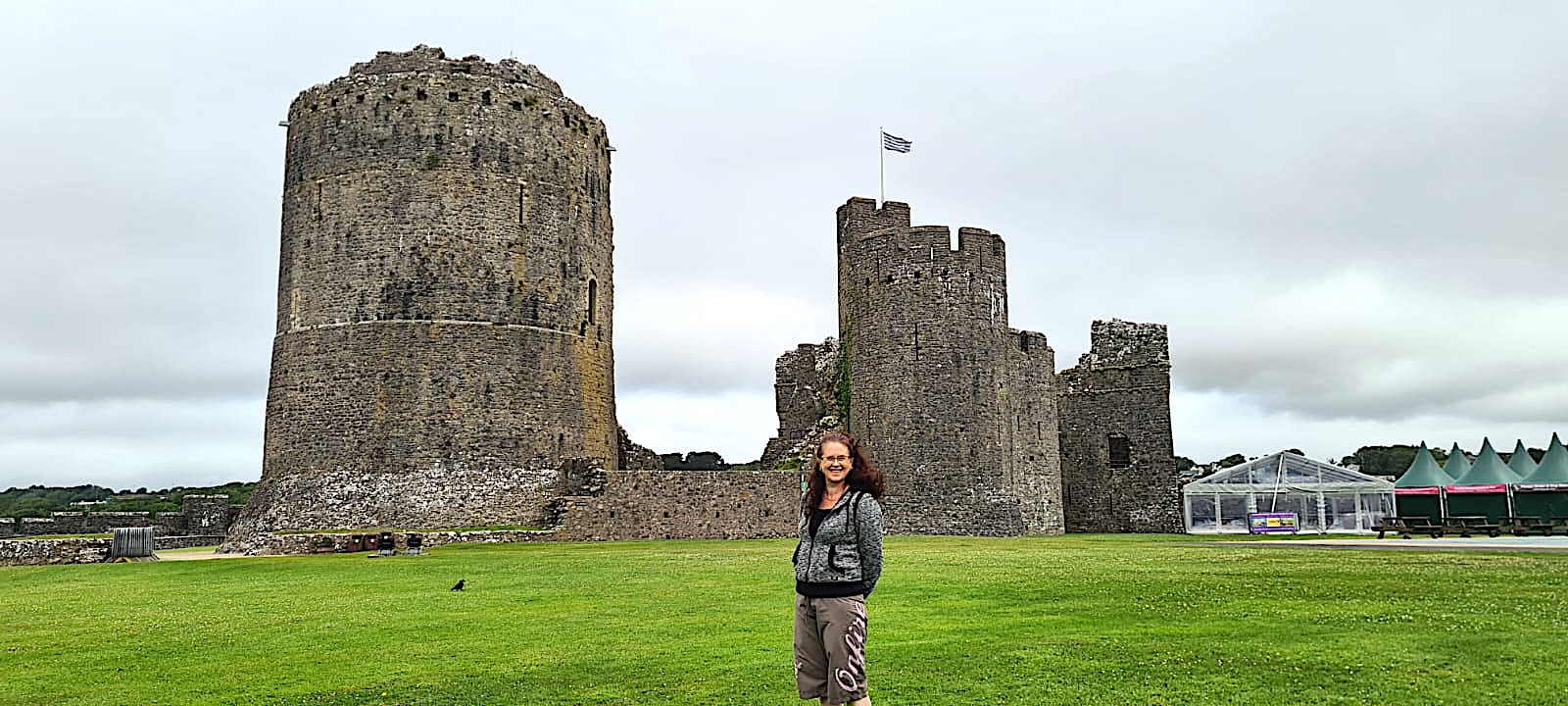
Gemma Lawrence (G. Lawrence) is an independently published author, and proud to be so. Living in a little cottage in Wales in the UK, she loves where she lives as much as she loves to write.
The age of the Tudors has been an obsession for her since she was a child, and many of her upcoming books will centre on that time, but she also pens the odd dystopian fiction or historical fiction from other time periods.
She studied Literature (with a capital L) at University and usually has twenty or more books she’s currently reading. Reading and writing are about mood for her, and she hasn’t found a genre she didn’t enjoy something about so far…
Time to chat with Gemma!
You are one of the most prolific authors I know. How do you do it?
Haha! Sometimes I wonder… then my aching wrists and crunchy neck inform me of all the hours I spend at the keyboard and the mystery is solved!
I write 4-5 books a year. When you consider that Barbara Cartland holds the Guiness World Record for writing 23 books in one single year, my total isn’t a lot! She wrote over 700 overall in her entire career. Nora Roberts has written 200 books under various names, R.L. Stine penned something like 430 children’s books, and Ursula Bloom completed 500. Stephen King, I think, has written around 70 and Dean Koontz has written about 90. The author with the most works published was Ryoki Inoue, with 1075 books published under many names. (Yes, I looked all these numbers and authors up!). So, really, there’s a scale or spectrum on the whole ‘being prolific’ thing. Compare me to a person who writes one book every five years and I look prolific, sure, but compare me to someone writing twenty in a year and I’m barely writing!
In order to write many books, some authors dictate, which speeds up the process, some rely on using a similar formula each time for their books, and some just write in their set hours, have a lot of ideas and get them done and out. I don’t think there’s any magical formula, really. Some people write a lot of books, and some write fewer.
As for me and my process, I write historical fiction and I tend to plan my books out by going by the historical record, so I write down the years I’m covering, the major events, what my characters were known to have done during those events, and there is my plan. A plan can certainly help with keeping a writer on track and can also help if you tend to get stuck a lot.
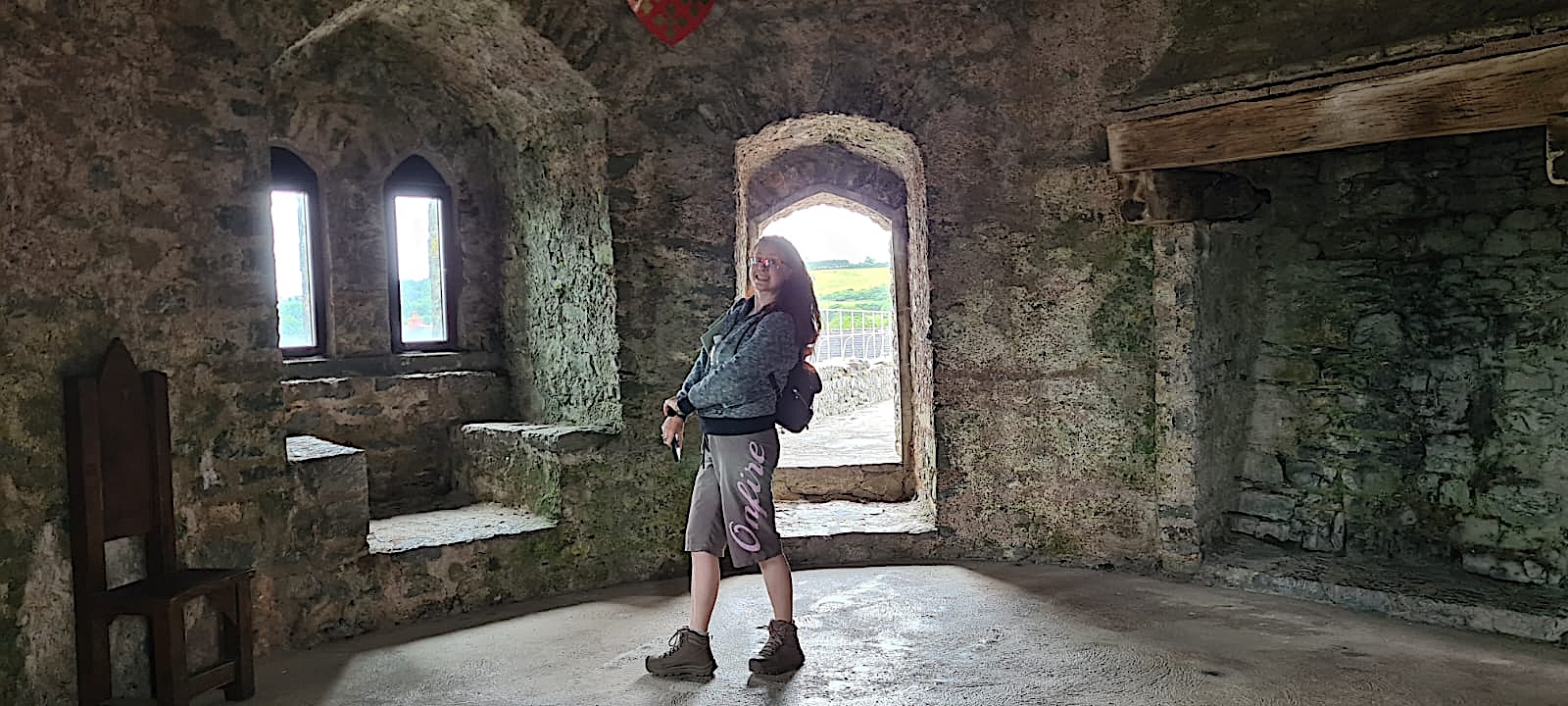
With this outline in place, I then allow the characters to have their own way, especially when there are private discussions taking place. I look at various events and if there isn’t any record of their reaction, I try to interpret how I think my characters would react, what they were thinking, their emotions. That gives me the space to be creative. People say writers are either planners or pantsters (as in, they fly by the seat of their pants) but I like to think of myself as a planning pantster. I make an outline and then allow myself freedom within that outline to do as I wish, or how the characters wish. Often, it feels like they are the ones in control.
Having a plan means I don’t get stuck often, which saves time. I can head to another bit of the outline and write that if I’m having trouble in one part. I also write fast, know my period well and I edit by reading the books aloud to myself, which is something I recommend to everyone. It’s a telling experience and really helps to clean the book up when editing. I don’t worry about getting the first draft perfect, it never is. As long as I have the ideas I want down and I’m getting a sense of the book, all is well. Everyone works differently and you have to find what works for you, but I do think concentrating on trying to achieve perfection in the first draft slows a writer down and can be disheartening, and we all know how dangerous a state that is for writers! Editing comes after, and that’s the part I really enjoy, adding in descriptions of clothing, events, the natural world… that’s a pleasure. For me, editing is where the story really comes to life. You ignite the first spark of the book in the first draft and then the beauty of it comes with the editing.
I used to write hours upon hours, especially when I first started out. It was part devotion and part necessity. I wanted a career and needed to make money out of writing, so I threw myself at it and for some years really abused my body in doing so. I wasn’t getting exercise, I was working long days and nights at the keyboard, wasn’t eating well. It took a toll. I became stiff, started getting back and wrist problems, numb fingers… all kinds of worrying stuff that was heading nowhere good. I had a bit of a wake up call some years back, so I started doing yoga, walking more, trying to take care of myself, and that turned into me heading off to do challenges for charity by climbing mountains (I’ve been up a few now, in Peru, Wales and Romania!) as well as running, swimming and more recently, learning Kung Fu. I find if I have a challenge I’m having to train for, I will exercise more regularly, so I’ve given myself plenty over the last few years. I’m in better shape physically, and now I try to structure my writing days so I write, certainly, but I also get up, walk, stretch, and at the end of the day I go out and I have a run. It’s better for me, and hopefully I’ll last long enough to write a few more books!
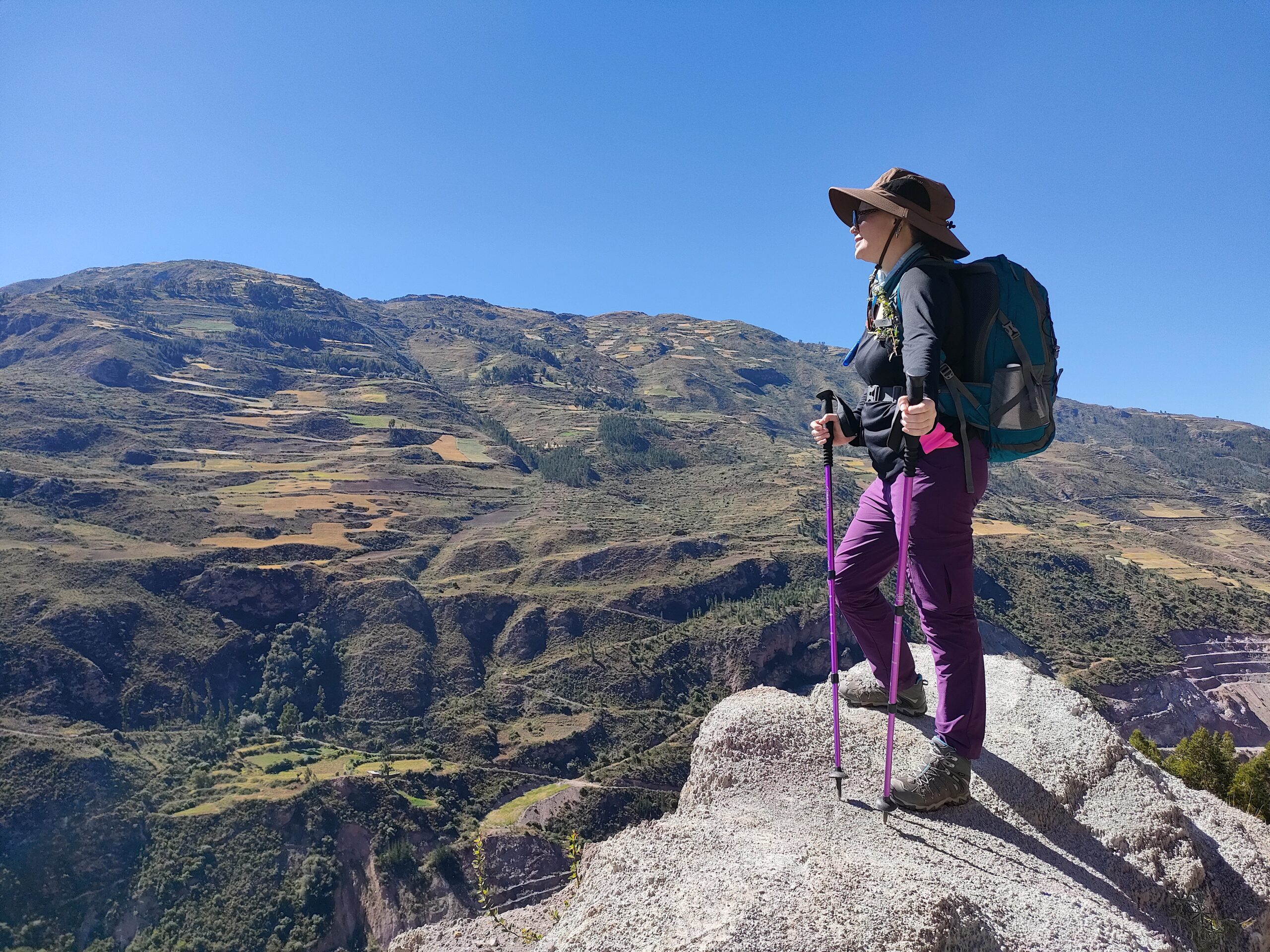
Me climbing mountains in Peru (We were told to pose.) That was the first day, easy terrain, before reaching 4530m elevation above sea level a few days later. That was amazing.
I would say also, on the writing front, a lot of indie authors work a full-time job and have a family to take care of, so writing time can be hard to come by. I had to take on part time work a few years back, but I don’t have children or a partner. I’m content with my life, so that’s not a moan, and being single means I have more time available than another person might, which is beneficial for my writing. We all have to decide what brings purpose and meaning to our lives and most parents I know would never trade the joy they have in their children for more time to write, but for me, having children wasn’t something I wanted. I have wonderful nieces and I’m grateful for their presence in my life, and I love my career in writing, and am glad I have that too.
All writers have different circumstances. It’s natural to compare ourselves to others, but really, we all lead such different lives and so comparison is a little meaningless, in the end. I think, as long as we’re all happy with the art we create and send out into the world, that’s all that is important, not the volume we’re creating.
What is your latest book?
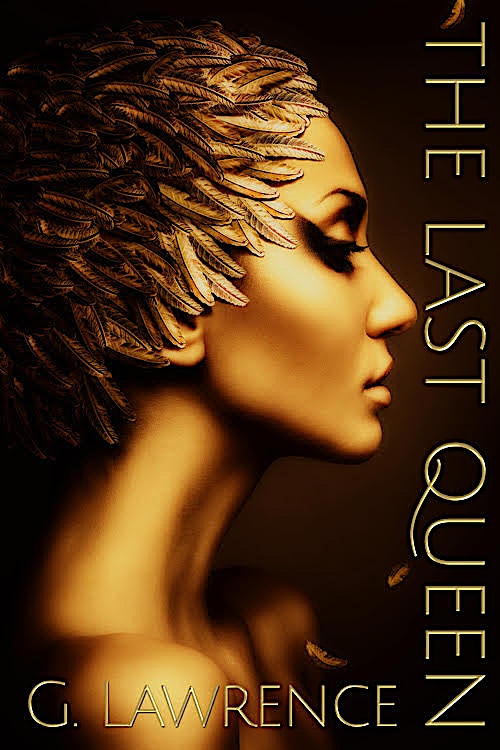
I published The Last Queen at the end of 2025, which is an imagining of the early life of Cleopatra VII. I say imagining, because I do take a few liberties with the story. Everything I write is based on known history, but Cleopatra’s early life is, comparatively, not that well documented, so I figured I could play with it a little. I’ve actually been writing this book for about five years, maybe more, I lose count sometimes! I finally decided to go ahead and put it out there, and I’m glad I did.
Soon to come out is In Darkness Born, which is the first book in a series on Queen Katherine Parr, sixth wife of Henry VIII. This is again about her early life. I have been wanting to do books on all the wives of Henry VIII, and I have only Katherine Parr and Katherine of Aragon left. I’m saving the first Queen of Henry VIII until last, as I have a research trip to take first, something I am looking forward to!
As writers, most of us hit some kind of wall in our stories at one time or another. Do you? And if so, how do you get around it?
So, as I said, with historical fiction I tend to plan my books out according to the historical record; what happened in each year, major events etc, and then I work all the personal interactions of my characters in around that plan. What that means is, I often don’t get stuck because there’s always something else going on further along in the book to comment on or write about, but sometimes, yes, I get stuck. It happens to everyone.
What I do is I go for a walk. I put on my hiking boots, and I head to the windy and frequently wet coastal path (I’m lucky enough to live near to a fantastic section of the Welsh coastal path and national parks). Often I find my best ideas come to me when I’ve forgotten about the book for a moment and I’m just out walking in the fresh air with no one around. I take my phone these days, so if I need to make notes I can. In the past, I used to just go out and when I had a wheeze of inspiration I had to keep repeating it to myself as I walked home so I didn’t forget it!
And yes, this means I’m often found talking to myself by strangers. I’ve become so used to it I no longer get embarrassed by people giving me odd looks as they smile politely and hurry past the lunatic, middle-aged woman chattering to herself!
How did you choose the genre you write in? Or did it choose you?
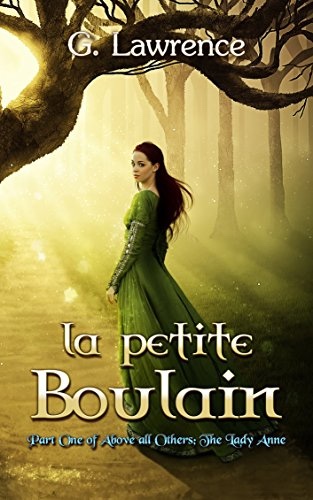
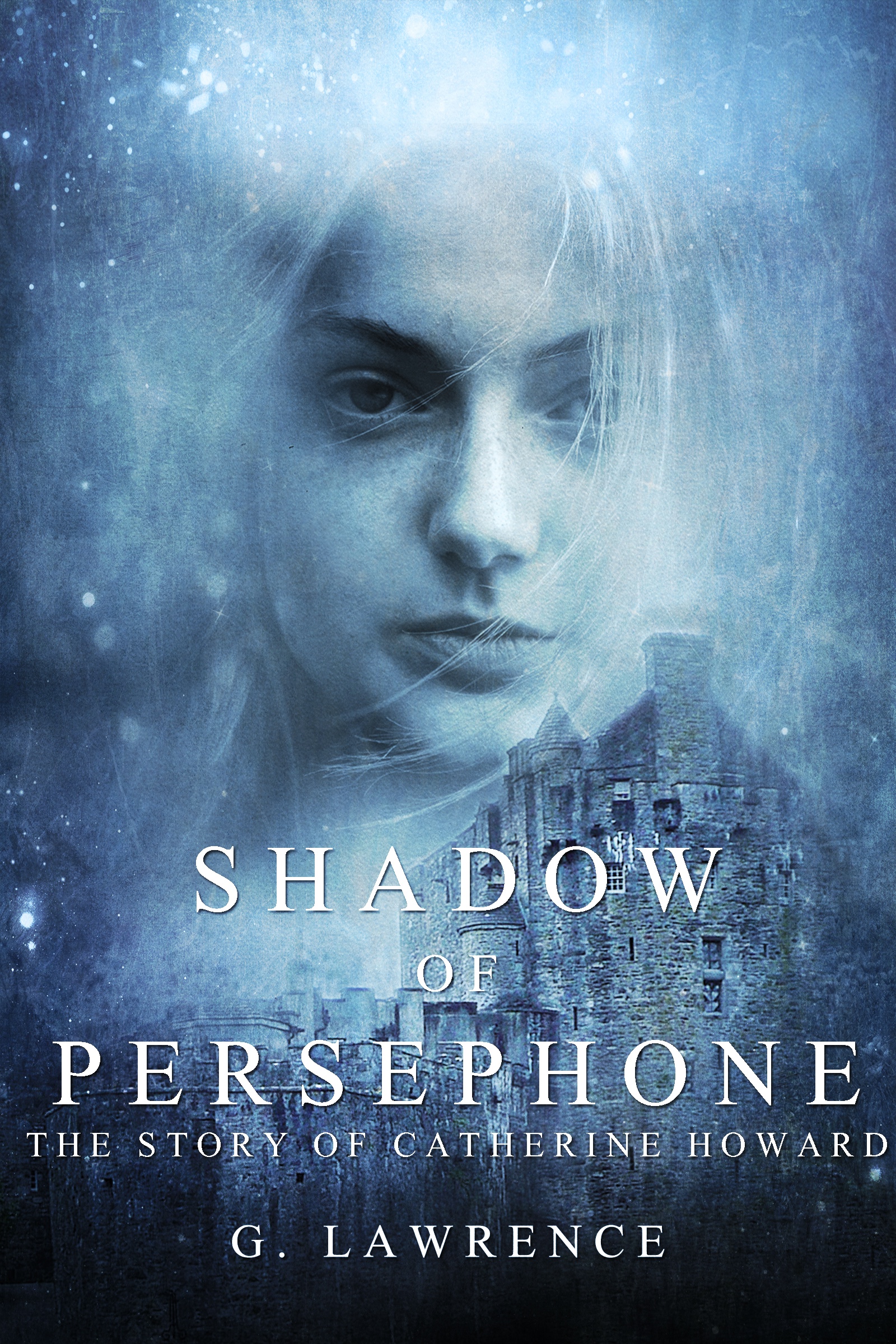
A bit of both, I would think. I always had a fascination with history. When I first started out I was writing about Anne Boleyn, because my feeling was that none of the books, fiction or non-fiction, that I read about her seemed to capture the Anne that I saw. So, I wrote my own.
I actually write in several genres. I do historical fiction and historical fantasy, re-tellings of fairy tales and ‘straight’ fantasy, but I’m best known for historical fiction. Stories come to my mind and I follow them. I read a lot of history for pleasure so it’s not surprising that characters from history should come to my mind, telling me I need to write their story.
How often do your characters surprise you by doing or saying something unexpected?
All the time! Sometimes I’m surprised by what people of history actually did, when I read a historical record of their actions in a certain situation, and sometimes when my characters are in conversation they come out with things I never thought of. Many of them are far wittier than me!
Oftentimes, writing is a little like being possessed by your characters and you are just there transcribing what they say. That, actually, is often one of the best parts of writing, where you as a person appear to have vanished and the characters have mastery of the story and are running with it.
Do you write many characters that you truly despise?
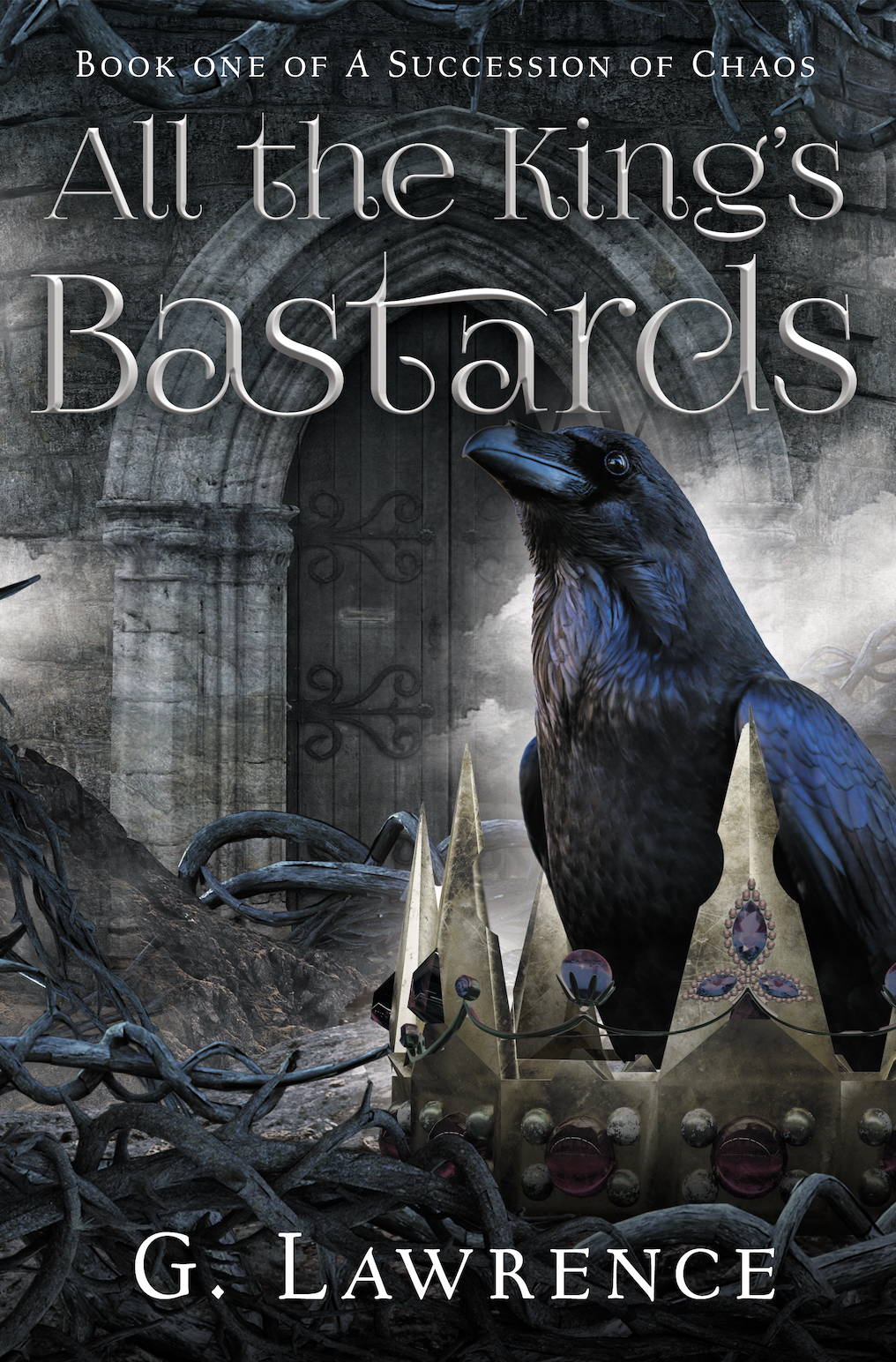
Absolutely, in every single book! I write a lot about the Tudor era and there’s plenty of villains there!
Having our work out there to be judged by strangers is often daunting for writers. Do you have any tips on handling a negative review?
Everyone tells you to grow a thick skin, which is good advice but for many authors I think having a thin skin is what makes them great writers, being able to get inside the heads of characters, being able to understand, to show empathy, requires a thin skin in many ways. So, I don’t think that’s the best advice. Besides, growing a thick skin is easier said than done!
My advice is to pick a book which you think is a flat-out, hands-down, perfect masterpiece. Then go to any review site and find that book’s one-star reviews. Read those, and what you will appreciate is that reading is such a subjective experience. What you think is a perfect masterpiece other people will despise and think terrible. Read all those reviews and try to remember that even the greats, even the books you think were wonderful, other people will think were awful. You are not ever going to be able to please everyone, so don’t try. Please yourself with your writing, and you will find others who love your work too.
Do you miss spending time with your characters when you finish writing them?
My books generally cover the entirety of my main character’s life, so I always have to kill them off because that’s where everyone’s stories really end, with death. It is the hardest thing I have to do, and I have to do it in every series I write.
Saying goodbye is hard, but truthfully, we never say goodbye to people really, either in fiction or real life. If someone we love dies, we carry them with us. That’s also true of authors when we write characters we’ve loved or readers when they’ve journeyed with a character they connected with. We don’t say goodbye, they’re always there, and the beauty of books is that if we want to bring someone lost to life again, we can just pick the book up once more and start again from the beginning.
What’s the best gift you ever received?
When I first started out as an author, my brother sent me a bookmark. Made of metal and a little Victorian/gothic in style, it holds a little part of a poem on its front which says: “Oh but my darling, what if you fly? ”
It comes from a poem by Erin Hanson which goes:
“There is freedom waiting for you,
On the breezes of the sky,
And you ask “What if I fall?”
Oh but my darling,
What if you fly?”
He sent it to inspire me to succeed. Every time I look at it, I smile. Being believed in by someone you love is a wonderful thing.
If you could add a room onto your current home, what would it be?
A secret library, of course! One which only may be found when I pull back a certain book on my bookshelf, so the entire bookshelf opens slowly to reveal a dark, warm, yet vast gothic-inspired room with books neatly arranged on shelves from the floor to the high, vaulted ceiling, with a comfy chair set next to a roaring fireplace on one side and great, arched windows on the other looking out into a landscape in which there is a perpetual rainstorm. Then I can get into the chair, put a rug over my legs and feet, and curl up with my books, listening to the distant sound of rain and crashing thunder.
What simple pleasure makes you smile?
Watching the birds on the feeders in my front and back gardens. I could watch them all the time and be perfectly content. Seeing them there, in winter or summer, feeding away, makes me feel like I’ve done something that day to help someone/thing. That makes me happy.
CONNECT WITH GEMMA