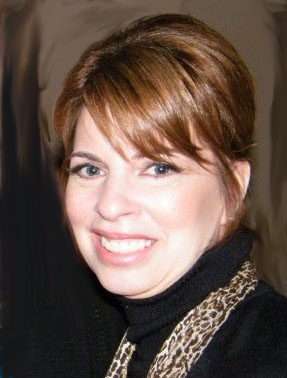
CHAT WITH DELIA COLVIN

 Delia

Delia Colvin is the bestselling author of The Sibylline Trilogy: The Sibylline Oracle, The Symbolon and soon to be released The Last Oracle. She resides in Prescott, AZ with her husband and two Cavalier King Charles Spaniels.

What is your latest book?

The Last Oracle – Book Three of The Sibylline Trilogy is scheduled to be released in July 2013.

The trilogy is about Alex Morgan, an immortal oracle, whose visions guide him in his attempts to save his mortal beloved.

Those that are interested in Greek mythology will be pleased to know that Book Three delves far more into the Greek underworld while maintaining an anchor in present day Italy.

DeliaSyb

Do you have any advice for first-time authors?

Treat book writing as a business. Successful authors spend the majority of their time writing and a smaller percentage of time managing and marketing.

Also outsource to professionals for a professional product. Hire pros with a great reputation for editing and cover design. Other recommended outsourcing: formatting, web-design, SEO (search engine optimizer) management.

In your spare time read every author blog, like Lisette’s (this blog has the advantage that she is a successful author and interviews other authors).

Lastly find a trustworthy mentoring/educational site like Fostering Success.

Can you tell us about your road to publication?

I finished Book One of my trilogy and set out to have it published in the traditional manner. My husband was upset to think that the publisher and the agent would take such a huge cut.

A few weeks out my husband came home with some information about indie publishing on Kindle. I was completely against it and believed that only non-fiction worked in self-publishing.

Then one of the top five publishers went out of business and that caused me to take a fresh look at the new world of publishing. I found that independent publishing was going the same route as independent film-makers in terms of acceptance and respect.

In fact, I was stunned to discover that several indie-published novels were New York Times bestsellers.

About that time I received an offer from a “top ten” publisher. I was so tied up with writing and editing that I didn’t have a chance to respond right away. A few days later I received another offer from a very small publishing house. My husband and I decided to sit down and compare offers on a spreadsheet when we could find the time.

A few weeks later the “top ten” publisher contacted me again, this time by phone.

Evidently one of their staff had read my entire manuscript and they more than tripled the original offer—as well as offering me advances on the other two books of the trilogy. I had a VERY difficult time turning that one down. But for some reason I never took it to the next step.

In the end I decided that I wanted to maintain control of my books and the majority of the time I’m very pleased with that decision.  It’s been a lot of work but it’s also been very rewarding.

In December with the highest level of competition on the market both Book One and Two of my trilogy hit Amazon’s bestsellers lists and have been on those lists almost every month since.

What do you like best about the books you read? What do you like least?

I like books that draw a full range of emotions out of me and leave me hopeful or joyful. Reading is such a pleasure because I can totally get lost in another world and often in the delicious language of the writer.

The thing I like least is that I have so little time to read!

Have you received reactions/feedback to your work that has surprised you? In what way?

All of this has been pretty surprising to me.  Not long after Book One was out it was voted Goodreads Best Book of June and nominated Best Love Story. That was pretty thrilling!

Then, less than a week after the book was released I was walking my dogs on a path I frequented.  As I rounded a corner a woman was standing there with a notepad and pen and asked, “Are you Delia Colvin?”

I nodded, wondering how she recognized me, as I was incognito with my baseball cap and sunglasses. Then I realized that my pups are fairly well-known in the area.

She said, “Well, I’ve been waiting for you here every day to get your autograph.”

Now I was absolutely certain that my husband or stepson had set her up to do this.  I couldn’t grasp the idea that in less than a week someone that I didn’t know had read my book and wanted my autograph.

The woman continued, “Me and the ladies down at the FBI are all enjoying The Sibylline Oracle.”

I’m not certain but I think my jaw rebounded off the path at that point. Then she added, “Of course, I usually like more sex in my books but it is a great book just the same!”

I didn’t know what to sign on her pad. My hands were shaking with excitement when I scribbled something illegibly and then tried to walk, rather than skip, all the way home.

My stepson said, “Yay! You got your first stalker!”

Were you “born to write” or did you discover your passion for writing later in life?

Yes to both. Before I could write I was creating stories in my head. That is how I have entertained myself nearly all my life. Later I wrote them but never had the nerve to share them.

A few years ago I nearly died from massive blood clots to the lungs. I realized that I hadn’t been following my passion in life which was writing novels. I decided that was going to change.

I had always kept a list of stories in-progress that I would work on someday. But one day, not long after the blood clot, a new story popped into my head nearly complete.

It was a present time story about an immortal from Ancient Greece who had been trying for 3000 years to save his mortal beloved.  I had never been interested in writing Fantasy or Paranormal novels and I had never been interested in Greek mythology.

My days were filled and there was no time to write. Still, I was so compelled that I pulled out my iPhone and started typing away on the notepad while I was walking to work. Three weeks later I had the first draft of my first completed novel. Then I realized it was a trilogy and six weeks after that I had the drafts for the next two novels. That was January 2012.

Do you feel your latest book is your personal favorite or one of your previous novels?

The Sibylline Oracle, Book One and The Last Oracle, Book Three (to a lesser degree) required a tremendous amount of research in Greek mythology. While it was fascinating research I spent a lot of my time double-checking facts.

Writing The Symbolon (which is the original word for soul mates) was just a lovely experience because while there was a lot of mythology in it, most of the ground work had been laid in Book One. The Symbolon is about the pure affinity that these main characters share and the price they are willing to pay for the other’s survival. It was a lot of fun to write although it required about a case of facial tissue.

Having our work out there to be judged by strangers is often daunting for writers. Do you have any tips on handling a negative review?

Authors know that when we run discounts on our books that a small percentage of 1-2 star reviews will show up. Further, almost all of those low reviews will clearly state that the reviewer has never read the book.

I read all of my reviews and if there is a valid complaint on marketing or content I correct it, if not I move on and write. I never engage review bullies. I discovered early on that anything you say, even in kindness, may be taken out of context and used against you in the public eye.

What’s your favorite comfort food?

Does coffee count?  Hazlenut coffee with half and half and a hint of cinnamon.

What’s the best gift you’ve ever received?

Without a doubt the very best gift I’ve ever received was when my husband, Randy read the first chapters of my first novel and said, “Forget Air Traffic Control, you were born to write!”

Since then I’ve been a full-time novelist and it has been a most extraordinary life!

What might we be surprised to know about you?

I was completely ambidextrous when I was young. To teach us right from left the teacher told us, “You write with your right hand.”

So I would write out the word with both hands to try to determine which looked better. When they both looked about the same I decided that I must not be very smart and I zoned out of school.

Still to this day I do some things with my right hand and some things with my left.

What are three things you think we can all do to make the world a better place?

Be kind and accepting of others.

Encourage others.

Eat more vegetables. That leads to better health, which leads to greater happiness, which     leads to more kindness and leads to increased ability to study, which leads to increased knowledge and intelligence which leads to more understanding.

 CONNECT WITH DELIA

Facebook

Website

Twitter

Goodreads

Amazon

Email: DeliaJColvin@gmail.com

CHAT WITH BRENDA SORRELS

BrendaSorrels

Brenda Sorrels is a writer who grew up in Fargo, ND and attended Manhattanville College in Purchase, NY.  She now lives in Dallas with her family, including small dog, Charlotte – and spends summers writing in Connecticut.

Time to chat with Brenda!

What is your latest book?

The Bachelor Farmers, an historical love story set in Northern Minnesota in the winter of 1919.

Is your recent book a part of a series?

No, it’s not part of a series, but there will be a sequel.

If you were to advertise your book on a bumper sticker, what would it say?

The Bachelor Farmers – a love story to fall in love with!

What else have you written?

I’ve been writing short stories for many years, but this is my first published novel.

What do you think some of the greatest misconceptions about indie authors are?

I think the biggest misconception is that the quality of the writing is not up to the level of traditionally published writers. This is changing fast. Many Indie writers, (just like all writers) are working very hard to become better at their craft. They’re having their work professionally edited, and are serious about taking it to the next level. In a way I think Indie writers are harder workers because they almost always must do everything themselves…this includes writing intros, synopses, bios, inside covers, back-of-book content, questions for discussion – you name it. Plus, they must promote themselves with very little help.

How often do your characters surprise you by doing or saying something totally unexpected?

Great question. This happened a few times in The Bachelor Farmers which was a big part of how the story developed. I don’t want to give away the plot, but when I was certain one of the characters would not act a certain way, I switched the action to his brother and it became a huge twist in the story. I try to think out my characters ahead of time, but as you write they develop and sometimes go in directions you could not possibly have imagined. It’s one of the things I enjoy most about writing which leads into your next question:

What part of writing a novel do you enjoy most?  The Least?

The character development is definitely one of the most enjoyable parts of writing for me. There are always surprises around the corner! You have the story line going one way and then suddenly you realize that one of your characters would never do that…so you have to adjust and make some changes. They end up going in another direction which causes other things to happen.

I also really love the beginning when you have an idea and you must flesh it out.  I usually do an outline first, then write a short story.  If there’s enough there, and I love it, I will think about expanding it.  Right now I have several short stories that I think would make wonderful novels.

I love all of it really, but if I had to pick something I enjoyed the least it would be spending a lot of time writing a scene or say, an ending and realizing it doesn’t work, then having to scratch it and start all over again.  It’s a lot of work and very time-consuming!

Is it important to know the ending of a book before you write it?  The title?

I believe this is different for every writer or maybe I should say may be different for every book. For The Bachelor Farmers, I had the title in my mind well ahead of time. I just liked it and it triggered the story for me, though there was a lot of discussion in the end. Some people in my inner circle thought it could have been misleading, that people would associate it with old men in overalls, rather than young, hunky Norwegian brothers! I love the title and am glad I hung in there and kept it. The ending was changed a few times. I remember at one point having the entire book, but no ending. It took a few months to iron that out. Like I said before, I wrote a couple of endings before I was happy.

5969178BC_Front Cover

For my upcoming book, The Way Back ‘Round, I had no title for awhile and then my editor came up with it and I knew it was perfect.

Some writers edit excessively as they write; others wait until a novel is finished to do the bulk of the editing. How about you?

I work with my editor during the entire process of writing, so I would say I edit excessively as I write. I will do a first draft and when I’m ready I’ll give it to Margaret Doud, my friend and editor. She’ll read it and give me notes. I’ll redo it, add scenes, expand, change things, etc. on and on. We go back and forth like this until the changes we’re handing off fade away. You could actually fiddle with a book forever. At some point you must declare it “finished” and move on.   It takes many months and rewrites to get to that point.

Do you have any advice for first-time authors?

I wrote a small article for my blog which anyone can read on my website called  How I Wrote a Book. Here are some of the highlights: Start thinking of yourself as a writer, create a sacred space, write every day, take a writing class, write a messy first draft, try a short story first, find an editor, find a publisher. All of these things are important. You must think you’re a writer to become one…that’s key. After that, find the discipline to sit down and get the words on paper…if you can get this far I would also add…don’t send your work out too early. This is a huge mistake that most of us have made. You must edit and rewrite and edit and rewrite. Most of the work is really in the rewrite. I would also caution new writers to be careful who they share their work with. When you’re first starting out, you’re very fragile and almost no one hits a home run the first time to bat. Find someone you can work with who believes in your work. Be gentle with yourself and have patience!

Please, tell us about your experiences with social media.  What are your favorite and least favorite parts of it?

I have had a lot to learn with social media. I didn’t realize how time consuming it would be and how much work it is to keep up with it. Because I am in the middle of writing another book I’ve had to make some serious choices about how much time I devote to social media. I decided to cut back quite a bit because I wanted to get back to my writing. This is one of the problems with being an indie writer!

I understand now that social media really is about building relationships and interacting with people. Right now I devote my time to Facebook, my book page there, my blog, my reading group on Shelfari and reviews I do for Goodreads, guest blogs and interviews like this one. I also do some Twitter and  Linkedin.

Favorite part is meeting wonderful people.  Least favorite is the time it takes!

What do you like best about the books you read?  What do you like least?

I like books best when they are well written, portray characters with dimension and have interesting plots. I love it when characters are developed as much as possible. I just read an interview with the creator of Downton Abbey and he said he thinks a big part of the show’s success is that even the minor characters are fully fleshed out. If you watch that series you’ll see it is true! I also love books that have a strong sense of place which I think is very true for The Bachelor Farmers. A story that engages all of the senses as much as possible.  I like books where things happen.

I dislike bad writing, but I might excuse it (a bit) if the story itself is really good.  I don’t like a lot of gratuitous anything… violence, bad language etc. I am really sensitive to anything regarding animals and hate cruelty, even a little. I didn’t enjoy the book Like Water For Elephants because of this reason.  I don’t read a lot of fantasy or sci-fi, though I know some of it can be really good and a lot of fun.  I don’t like stories that take place in someone’s mind or are too psychological. I prefer stories to be a little more concrete. I also don’t like books that are too stylistic, where the writer is trying too hard with the language.

How much research was involved in writing your book?  How did you go about it?

I’d been writing a lot of short stories and I had it in my mind that I wanted to make one of them a love story that would be set in very beautiful place. A sense of place to me is important and is a huge part of this book. I have a large extended family and on my mother’s side (15 kids in her family) I had two uncles that were ranch hands, farmers, who never married. The concept stuck with me because it was so odd. When we think of farms we always think of families. When we think of bachelor farmers we think of old guys in overalls, but I wanted to make these bachelor farmers young and hunky – which I did. Ironically, these boys love horses and horses ended up playing a significant role in the story, especially at the end. Many Norwegians settled in ND and MN and so I thought of Northern Minnesota, and I began to research that area.  I did a lot of research on line, but I also found the Voices of America books on ND, MN, Pioneer Women, Cass County and several others were great. A River Runs Through It, by Norman Maclean was one of my favorites for the ambiance and feel of the forest, etc.  The Haymakers by Steven Hoffbeck, Spirit of the North and The Lonely Land by Sigurd Olson, Tales of Spirit Mountain by Anne Crooks.  I also read countless articles on how the land up north was settled, who lived there and what happened. The Native Americans at the time, the Ojibwa, were in and amongst the Swedes, Norwegians, Finns, Danes, and French Traders – and the logging business was thriving. All of this played into the story. Mahal, a beautiful half-Ojibwa woman is hired as the brothers’ cook when her abusive husband is injured in a logging accident.

Is there a question I haven’t asked you that you would like to answer?  If so, what is it?

Yes, what is my new book about?

The Way Back ‘Round is a story of family and friendship, of a boy who makes an innocent, but terrible choice that haunts him for the rest of his life.

The story begins in the summer of 1937, rural Minnesota, when twelve-year-old Jake Frye breaks a promise to his parents that results in a tragedy that shatters his close-knit family. Unable to face his guilt, Jake hops a freight train joining thousands of other depression-era men and boys riding the rails. Fate brings him together with another boy named Franz and they form a friendship as close as brothers.

As they journey through “jungle” camps pitched along the routes to picking fruit in California, cotton in Texas, a Roosevelt Conservation Corps Camp for itinerant men and WWII – they face the ultimate challenge. Will they survive the cold hungry life on the road or be killed by one of the brutal “Bulls” who patrol the tracks? Will Franz ever marry the red-headed girl he dreams about? Will Jake ever see his family again?

As challenges are met, Jake learns what it takes to survive in an unfair world, what it means to forgive and ultimately what it means to love. Themes of friendship and family, loss and guilt weave through the story and reinforce the truth that our lives are shaped by the choices we make.

Do you allow others to read your work in progress, or do you keep it a secret until you’ve finished your first draft?  Can you elaborate?

As I mentioned before I work very closely with my editor through the entire process. I also have a group of what I call my “Core Readers.” These are very smart, literary friends who like to read and will give me their feedback. I give different people different drafts at different times. It all depends on how I’m feeling or what I want to know.

Have you received reactions/feedback to your work that has surprised you?  In what way?

Yes, some of the reactions and feedback has surprised me.  I was surprised at how people got attached to certain characters and why. Some people mentioned the sadness and their feelings for different things that happened. It surprised me because I hadn’t given much thought to people’s reactions, etc. I just wrote the story that was inside of me. I imagine I’ll have many more surprises down the line.

Do you write anything besides novels?  Care to share?

I write a lot of short stories as I’ve mentioned.  I also write a blog every month and post it on my website.

Were you “born to write” or did you discover your passion for writing later in life?

I have always loved writing though as a child it was letter writing, journaling, pen pals, etc. I developed a real love for it in college but didn’t start taking workshops until years later when I was married. I got really serious around eight years ago and have been going strong ever since.

Do you dread writing a synopsis for your novel as much as most writers do?  Do you think writing a synopsis is inherently evil?  Why?

I will admit that it’s not one of my favorite things to do.  It’s one of the most difficult things to write, but I also think it is invaluable in helping a writer articulate to other people what their book is about.

If you were to write a non-fiction book, what might it be about?

This is amazing because I was just thinking about this the other day. I would like to write a book on what it takes to be a good step-mom. I’ve been married for 13  years and have two wonderful stepdaughters. I’d like to share my experience.  Most of the times stepmoms get a bad rap and I’d like to write a book about how being a stepmom can be a rich and rewarding experience.

Do you have any advice to a new author if they asked you whether to pursue the traditional route to publishing or to start out as an independent writer?

I believe that this really depends on the writer. If you have the time and patience to pursue the traditional route, it’s probably worth giving it a try. It would be wonderful to have help with promotion, publicity, etc. though for new writers, I’m told publishing companies don’t really do that much. It’s not an easy route either way, I think. Traditional publishing takes a lot of the writer’s income unless you land a huge book deal somewhere. Indie publishing is growing and you have more control over your destiny. If you go the traditional route you must find an agent  (this could take forever!) They then, have to sell your book to the publisher (this could take forever) and then who knows when or if they will ever publish it. If you’re very young and have years and years before you, it could be worth it. If you’re impatient and want to do your own thing, there are so many choices now – it’s really quite wonderful.

What have you done to market your novel and what did you find the most effective?  The least effective?

Another great question!  I’ve done as much as I can via social media.  I’ve tried all of it, Facebook, Twitter, Google+, Linkedin, Amazon Boards, Goodreads, Shelfari, Pinterest on and on. I wish I had time to do more. This is by far, the biggest challenge I am facing right now. Getting people to review the book, leave reviews on Amazon and other places, etc. has been the most important thing and I believe has helped me the most. I’ve decided to cut back and do the things I enjoy doing, because I need my time to keep writing. Right now Facebook is the biggest thing for me and I’ve been able to connect with some great people like you! I’ve gotten into Pinterest too and love it. I matched photographs with dialogue from the book, so it’s like looking at a small movie. Really fun! I think it helps to do interviews like this one and anything else that comes your way, book clubs, book fairs, etc. Anything at all to get the word out. All of these things present an enormous challenge to time management, so you have to pick and choose the ones you enjoy and the ones that will give you the biggest amount of momentum.

Do you feel your latest book is your personal favorite or one of your previous novels?

It is because this is my first published novel, but I’m also really excited about The Way Back ‘Round which I hope to have out within the next couple of months.

Having our work out there to be judged by strangers is often daunting for writers.  Do you have any tips for handling a negative review?

Take what they say and if something rings true for you like – how to improve your writing, do it in the next book. Otherwise try not to think about it and move on…keep going. Understand that not everyone is going to like everything you write.

Many authors do giveaways; have you found them a successful way to promote your book?

Yes, I think giveaways are fantastic!  I’ve done several and people love them.  I would definitely recommend doing as many as you can handle.

Have you been involved with the Kindle Direct Program?  If yes, do you believe it’s worthwhile?

I’ve never been involved with Kindle Direct.

Are you an early bird or night owl? And do you have any must haves like coffee, chocolates, wine, music or something else?

I do my best work at night. I’m not a morning person at all. I like to get up and get all of my errands out of the way for the day. Once I sit down at my desk I do not like to be disturbed and I can go until all hours of the night. That’s what I enjoy most about writing in Connecticut. It’s quiet and there are few disturbances. An afternoon cup of coffee or tea is nice and sometimes at night when I’m winding down, a glass of wine. I like to do a final read-through after a day’s work with a glass of wine. It makes me sleepy and when I’m done, I’m ready to head back for the night!

We all know the old saying; you can’t judge a book by its cover.  This is true.  However, how much importance do you place on your book cover design?

I place a huge amount of importance on the cover design. This is the first meeting people will have with your book. If they are not attracted to the cover, they may not even pick it up. I don’t think you can spend too much time designing the cover. I spent hours and days searching for the perfect photograph for my book cover. I love the cover and never tire of looking at the image. I’ve also had many people comment on how much they love the cover. I would say take your time…do all that you can do to make it perfect.

Every day brings forth new changes and shifts in the world of publishing.  Any predictions about the future?

I think that indie publishing is going to keep moving into the mainstream and will continue to gain respect as more and more indie authors are discovered.  I also think there will be more electronic reading…the trends that are happening now will continue. However, I also believe that there will always be a desire for real books. There is nothing like the feel of a real book in your hands. I love my Kindle but I also love my books…books warm up a room, they make you feel good, you can write in the margins and pick them up and turn them over, give them as gifts. There will always be people who feel like this.  I think there will always be people who will gravitate to the small bookstores too.  Some small bookstores will make it, others won’t…but I don’t believe they will ever die out altogether. At least I hope not!

How would you define your style of writing?

I am extremely visual and I think of my writing as descriptive with a lyrical quality to it.

A lot of authors are frustrated by readers who don’t understand how important reviews are.  What would you say to a reader who doesn’t think his or her review matters?

For a reader who doesn’t think reviews are important, I would argue that many times it is one of the only tools that potential readers have to help them find a new book. Unless someone recommends it to you or you read about it somewhere, how are you going to find out about what a book is about? Reviews help the writer get the word out about their work, but it’s also extremely helpful to go to new readers to help them not waste time and money on something they will not like, etc. It helps readers as much as writers. As writers, we are going to have to keep emphasizing this to our friends and readers. If you want to help a writer, there is no better way than to leave them a good review on one of the social media sites.

Where do you live now? If you had to move to another city/state/country, where might that be?

I live in Dallas, Texas now but grew up in Fargo, North Dakota then headed east for college. After graduating from Manhattanville College in Purchase, NY, I worked in NYC as an editor for Mademoiselle Magazine. I moved to Wilton, Connecticut with my first husband and lived there most of my adult life. My first husband died suddenly at a young age, and I decided Los Angeles would be a great place to start anew. I ended up working for the Fox Broadcasting Company in National Media, where we promoted the shows that ran on the Fox Network.  Movies and storytelling is what LA is all about, and it was here that my interest in writing really began to take shape. For the next five years, I took countless classes through the UCLA Extension program on storytelling, character development, script analysis, etc. However, I missed the change of seasons, my house, the beauty of Connecticut and eventually moved back east.

Eventually, I married Barry Sorrels, my college boyfriend (he went to Columbia University in NYC) and moved to Texas.  I live in Dallas now with my husband and small dog, Charlotte. I have two step-daughters who are grown but are a big part of my life. I like to return to Wilton to write, especially over the summer months when it’s too hot in Texas. If I ever had to move again, it would be back to Connecticut I’m sure.

If you could add a room onto your current home, what would you put in it?

If I could add a dream room to my house I would add a very personal writing space, cozy but not too small either. I’d have floor to ceiling bookshelves with all of my favorite books…a couple large windows, a fireplace, a large desk, my favorite pictures hanging on the walls…a special spot for my small dog, Charlotte.

What are three things you think we can all do to make the world a better place?

I think we could make the world a better place if we all slowed down a bit.  Everyone I know, including myself, is always short on time or rushing to get somewhere or do something. Our culture could take a few lessons from the Europeans…longer vacations, more time off for family, etc. If we slowed the pace I think we’d become more tolerant of one another. We’d be more likely to know who our neighbors are and to get involved if they need help. On the other hand I also believe that people are basically good and in some ways things are better than they used to be. There is a lot more opportunity out there for writers and anyone willing to work hard to make their dreams a reality.

I think the world would be a better place if we went back to some of the core values of our grandparents’ era. Less materialism and more emphasis on what’s really important in life, like the intangibles…time spent with a loved one, caring for a pet, growing a garden, picking flowers, reading a child a book, saying a prayer now and then…all of the lessons that come from the countless things in our everyday lives that we take for granted.

I think the world would be a better place if every person lived consciously,  (In fact, I just wrote a blog about this very subject!)  if they thought about their own imprint on the planet and what it means for themselves and other people. I think more people would take the time to recycle and show concern for environmental  issues – the quality of our air, the state of our oceans, forests, the animals and other people around the world. The good news is that there are a lot of people out there who are thinking about the way they live and getting more involved in their communities, etc.  If everyone did their part, it would make a huge difference.

 CONNECT WITH BRENDA

Amazon

Barnes &  Noble

Website

Facebook

Twitter


CHAT WITH DEAN MAYES

DeanMayesAustralian author Dean Mayes has established himself as a writer of great literary style and dedication since the release of his first novel The Hambledown Dream in 2010. He continues that tradition with his landmark new release Gifts of the Peramangk for Central Avenue Publishing. Dean lives in Adelaide, Australia with his wife Emily and their two children Xavier, 6 and Lucy, 3.

Time to chat with Dean!

What is your latest book?

I’ve recently released my second novel titled Gifts of the Peramangk through Central Avenue Publishing.

Gifts of the Peramangk tells the story of an 8-year-old Aboriginal girl named Ruby who is an undiscovered violin prodigy living on the struggle streets of Adelaide’s suburban fringe here in Australia. Ruby has been taught to play by her frail and elderly grandmother Virginia who, herself displayed a prodigious talent for the instrument as a child but was never able to fully realize that gift because of her circumstance. Virginia was a child of the so called “Stolen Generations” here in Australia. During much of the mid 20th century, Aboriginal children were forcibly removed from their families as part of what was known as the White Australia policy. They were put to work, often in appalling conditions, as domestic servants or farm hands and were stripped of their culture and their family links. Virginia was one of those children and the ramifications of her being taken have huge ramifications for her family.

DeanGiftsCover

Is your recent book part of a series?

Not really, however one would be encouraged to read my previous release The Hambledown Dream as there are some subtle linkages between both books.

What do you think some of the greatest misconceptions about indie authors are?

That they are undisciplined and don’t take the time or the care to produce high quality work. I have met and worked alongside some really talented indie writers who have produced novels that are far and away more polished and offer a much richer reading experience than their big name/big published counterparts. I think that has come about because these independent authors have taken much more care with their work and have crafted it rather than handed it over to a big publishing machine that act to arbitrarily “manufacture” a product for mass consumption.

How often do your characters surprise you by doing or saying something totally unexpected?

I write on the proviso that my characters be allowed to direct the storytelling to a certain extent. I will draw the basics of a character at the very beginning of the writing process but I won’t lock them in to a particular arc because my stories tend to evolve organically from the basic structure that I begin with. I discover a lot about my characters and I find that really stimulating.

What part of writing a novel do you enjoy the most? The least?

Funnily enough, I really enjoy the editing process. It’s the part of the journey where stories are really made. I’ve learned not to allow myself to become too invested in story elements during the initial writing phase because I’m always looking for the best ways to serve the story. Research can be a tedious process but I recognize that it is an essential part of the journey. This was especially the case with Gifts of the Peramangk which dealt with historical subject matter that I had to portray faithfully.

Is it important for you to know the ending of a book before you write it? The title?

I always have a basic idea of what the ending to a story will be but I allow myself the flexibility to change the ending. So yes it is important to me but not essential. The title of a story is not as important to me because I tend to discover the title of a work in the process of writing it.

Some writers edit excessively as they write; others wait until a novel is finished to do the bulk of the editing. How about you?

I’m getting better at writing without editing as I go along but I have been known to edit incessantly as I go along. That habit grew out of my tendency to procrastinate incessantly and I used the micro editing as I went along as a way of avoiding writers block. I have, with subsequent projects, becoming better at planning so I’ve been able to resist the temptation to edit until I have produced a draft.

Do you have any advice for first-time authors?

Be open to change and don’t allow yourself to be locked into a particular story arc. Always look for alternative pathways to reach your destination and don’t be afraid to work with your ideas. You will find that you’ll be less likely to run into problems associated with writers block if you have those alternative ideas available to you.

Please, tell us about your experiences with social media. What are your favorite and least-favorite parts of it?

Oh man, I have such a love/hate relationship with social media. I mean, I love it because I have met some wonderful people through my platform and it is but I tend to become overwhelmed by all the noise it creates. In the beginning, I felt as though I had to have a presence on every available platform there is and it seriously got insane. I have streamlined quite a bit to a suite of four key platforms, those being my official site of course, my Facebook page, Twitter and Google Plus. Occasionally I’ll make use of my WordPress account but it’s usually just to post a link to whatever I’m showcasing on my official site. My official site is at the core of how I communicate with my readership and my platform serves to promote that. While I regard engagement with my audience as important, I’ve tried to limit my activity on my social network – otherwise I’d never get any work done.

What do you like best about the books you read? What do you like least?

I have a really eclectic and varied taste in the books that I read but in all of them, I really look to the voice of the author and how it engages me. If the voice speaks with enthusiasm about the subject, then I’m usually drawn in. If there is a lack of enthusiasm, I’ll spot it pretty much straight away.

How much research was involved in writing your book? How did you go about it?

There was a huge research curve involved in Gifts of the Peramangk because I was setting it against the back drop of one of Australia’s most controversial periods in the 20th century. The White Australia Policy was instituted as a means of addressing the “problem” of half caste Aborigines in Australia over the life of the Policy, many thousands of children were forcibly removed from their families and fostered out to white families or were put to work as domestic servants or farm hands, doing menial jobs for little to no pay. They were prohibited from returning to or having contact with their families. The resultant Stolen Generations was the result of this policy – Aboriginal Australians who had their identity and culture stripped away from them. It lead to massive social problems which still resonate today. In order to portray the effects of the White Australia Policy on one particular family with a sensitivity and accuracy, I devoted nearly a year to reviewing literature, examining case studies, talking to individuals who were directly affected by the Policy.

Do you allow others to read your work in progress, or do you keep it a secret until you’ve finished your first draft? Can you elaborate?

During the writing of Gifts of the Peramangk I did share my work with a couple of people who were able to assist me with the technical aspects of my writing as well as the accuracy of my portrayal of Aboriginal Australians. I was happy to do so and I think it really benefited the story.

Do you write anything besides novels? Care to share?

I have posted a number of short pieces at my official site which are examples of my trying out different writing styles. I’m really proud of them and one or two of them have the potential to be expanded on in the future if I want.

Were you “born to write” or did you discover your passion for writing later in life?

I realized I had a love of writing from an early age but I guess you could consider me somewhat of a late bloomer as a serious author. For me it was a case of my life getting in the way – school, university, work, family commitments and so forth. And these aren’t bad things of course (laughs) but they certainly gave me little time to devote to writing. Also, I don’t think I was really in the right head space to write until my mid 30’s. I had a couple of failed attempts at it before then but for whatever reason, I couldn’t make the stories work. When the idea for (my first novel) The Hambledown Dream germinated, it seemed to be the right fit at the right time.

DeanHambledown

Do you feel your latest book is your personal favorite or one of your previous novels?

I’m very proud of both Gifts of the Peramangk and The Hambledown Dream and they each have qualities that I’m drawn to for different reasons. I think Gifts of the Peramangk is a more accomplished work mainly due to the research effort I undertook for it and I edited it more heavily than The Hambledown Dream. Hambledown is a more personal work and it represents facets of myself. I really explored both the dark and light sides of myself to craft the dual protagonists in Hambledown and so, for that reason I tend to look upon that novel in a more personal way.

Having our work out there to be judged by strangers is often daunting for writers. Do you have any tips on handling a negative review?

I have come to view negative reviews with the maxim “There’s no such thing as bad publicity” in mind. I try to respond to every review that is left for both my novels and I always thank the reviewer for taking the time to read my work. I look for constructive criticism of my work and I do take on board what each reviewer has said in that sense. Where there hasn’t been any constructive criticism, I like to encourage the reviewer to elaborate on their comments. Most of the time however, such reviewers don’t hang around so I don’t dwell on them for too long.

Many authors do giveaways; have you found them a successful way to promote your book?

It is a good way to interact with readers but I personally, haven’t seen a huge knock on effect in terms of promotion.

Have you been involved with the Kindle Direct Program? If yes, do you believe it’s worthwhile?

As far as I’m concerned, the less said about Kindle Direct the better.

We all know the old saying; you can’t judge a book by its cover. This is true. However, how much importance do you place on your book cover design

I do place quite a bit of stock on cover design because I have an artistic streak in me that just won’t let me go. The way I see it is a book as a whole is a piece of art and the cover itself is very much an artistic component that will help sell the overall piece. So it has got to be eye catching and attractive. I’ve seen many a good book fade into obscurity because of a poorly designed cover.

A lot of authors are frustrated by readers who don’t understand how important reviews are? What would you say to a reader who doesn’t think his or her review matters?

Your review matters. It really, Really matters. We slave away on these writing projects, often with little support and understanding from those immediately around us and it is only when our work is done and we turn it over to the world do we really wait for and covet those reviews. They remain the only true measure of whether it was all worth it or not.

Would you like to write a short poem for us?

I suck at poems.

What makes you angry?

Unshakable belief in the morally indefensible.

What music soothes your soul?

Vince Jones. He is an Australian jazz singer/trumpet player who I regard as a personal hero. I’ve been listening to his music since I was a kid.

Have you ever walked out of a movie? If so, what was it?

The Talented Mr Ripley with Matt Damon. I love Matt Damon but that film was a complete toilet bowl.

What’s your favorite film of all times? Favorite book?

The 1985 drama Witness starring Harrison Ford is probably my most favorite film of all time. The True History Of The Elephant Man by Michael Powell and Peter Ford is my most favorite book.

CONNECT WITH DEAN

Official Author Site

Facebook Author Page

Twitter

Goodreads

Amazon Author Page


PROMOTIONAL TIPS FOR AUTHORS: Reaching Out to Readers, by Jaidis Shaw

I’m extremely honored to have author and publicist Jaidis Shaw to present the first guest blog at Lisette’s Writers’ Chateau. Jaidis is not only multi-talented at all that she does, but she is one of the nicest, most professional, and most competent professionals that I have dealt with in the writing world.

You can read Jaidis’ complete bio at the end of her blog and enter to win a one-week book tour from Jaidis, which can be claimed any time from February to July, 2013. And now:

PROMOTIONAL TIPS FOR AUTHORS: Reaching Out to Readers,

by Jaidis Shaw

      You’ve poured sweat, grumbled in frustration, shed the tears, and ended with one heck of an awesome happy dance. I am, of course, talking about the moments leading up to seeing your hard work turned into a novel that is now published and available for the world to see. For debut authors, that one moment when you see your book cover on Amazon is forever seared into your brain. You are able to float on your euphoric high for days, sometimes even weeks. All of your friends and family have shown their support by purchasing a copy of your book. Then the inevitable happens. Your sales start declining, you haven’t seen a new review in days (no matter how often you refresh the page), your breathing becomes labored, and you’re positive that your heart is showing signs of cardiac arrest. A wave of self-doubt crashes over you and all of the positive comments you’ve received so far are overshadowed by the looming question: Why isn’t my book selling?

If you’re an author and are still trying to navigate the depths of the self-publishing world, you may be struggling with how to promote your book. Where do I start? Do I have to have an agent? Should I have tried finding a publisher to pick up my novel rather than self-publish? It is only natural to doubt our decisions, especially when we are feeling lost and confused. If you did go the self-publishing route, or even if you just want to do your part to promote your work, I’m here to tell you that promoting your book isn’t as daunting as it may appear. Maybe all you need is a little nudge in the right direction.

Most of the tips today say that the ultimate goal for authors is to sell books. Well I do agree that is a good goal to have, I disagree with it being the “ultimate” goal. The reason being is that I believe the most important goal for authors is to have people reading their books. After all, if nobody is reading your book, it isn’t going to keep selling. So what is a good place to start? For the sake of time, let us assume that you have already started making your mark on social media platforms by doing things like creating a Facebook Fan Page, joining Twitter, and having a blog or website. So, before the launch and release parties, before the book tours, it is important to reach out to bloggers and book reviewers.  I’ve put together a list of tips and topics that I believe are important to remember while reaching out to potential reviewers … and just remember … you want them to be “Reading” your book.

      Reviewers: If you are just now stepping into the book world, you may not be aware of how numerous book reviewers are these days. But with a simple search on sites like Goodreads, BookBlogs, or even Google, you will have a list of reviewers at your fingertips. If you happen to know a member of the reviewer community, another option is to reach out to them. Nine times out of ten, they will know of other bloggers that are open to receiving review requests. Several lists have been compiled of book blogs that serve as a wonderful starting point for gathering potential reviewers.

      Email: It is important to have an email that is set up properly. This should probably go without saying but it is one of the main issues that I see repeatedly. I feature between three to five authors a week on my blog and I can’t tell you how frustrating it is when I’m trying to find the author’s materials and have a hard time locating them because their email starts with something random like Bestselling_Author_1 or CrazyWriter4Books. Not only does having an email like that make more work for the blogger/reviewer but is less likely to be remembered. It is best to pick something straightforward and easy to memorize; more specifically your name. For example, my email is JaidisShaw@yahoo.com. Anyone who is looking to email me, feature me, etc simply has to begin typing my name and there it is.

Another issue I see authors guilty of is loading their email signatures down with tons of links and images. It is best to keep all graphics out of your signature. The main reason I think this is important is because the graphics tend to show up as attachments; I know that most times they do for me in Yahoo. When I am searching through for an interview for example, I am looking for the paperclip icon that indicates that email has an attachment and it wastes time having to go through the ones that only have graphics in the signature. Simply having your name, email, blog/website URL, and link to your Amazon Author Page is more than sufficient.

      Ask: If you are still a little hesitant on emailing a potential reviewer, or just want to test the waters first, simply ask if anyone would like to provide an honest review of your book. Send out a tweet, post a status update on Facebook, or even write a blog post about it. It really is as easy as saying “Would anyone be interested in receiving a free eBook copy of my book in exchange for an honest review?”  You will almost always have a few takers and people that will share your post to help spread the word.

      Details: You may be wondering what details to include in your initial email to reviewers. There are two parts to this one. The first part is to attach a media kit. These are a simple way to organize and keep track of all your important details. You can use a template for these so once you have the information gathered; all you have to do is attach it to your email request. Some details that should always appear in your media kit are the following: author photo and bio, book cover and synopsis, a short PG-13 excerpt (300 – 500 words), and links to where you and the book can be found (Amazon Author Page, Facebook, Twitter, and Goodreads).

The second part is what to include in the body of the email. After your personal opening and initial request, it is nice to provide them with the book’s details including synopsis, genre, total word count, publication date, publisher, giveaway details (discussed later) and any content warnings or age restrictions that the book may contain. You do not need to include your author bio and links (unless you want to) since they appear in the media kit. Your email should focus on the book and not you as an author because the reviewer isn’t judging you as a person, but your book.

Do not include the book you want reviewed! You may think that this helps the process move along faster when in actuality it halts the process and results in you sending out books that will likely never be read. Most unsolicited books may be downloaded for future use but if they didn’t agree to review it, you’ll be lucky to hear back from them. In fact, most blogs have a policy on unsolicited books that are received, a subject I’ll be covering in the next tip.

      Instructions: For the love of books, please follow the instructions for each individual blogger! Each reviewer has their own way of doing things: specific genres they like, what information they include in their reviews/posts, formats accepted for review, etc. With so many requests being received, they will almost always give priority to those who follow the instructions and you don’t want to miss out on the opportunity because you didn’t take time to find out what they want/like.

      No Bulk Requests: I know that it may be tedious to email reviewers individually but it is a necessity. If you want a reviewer to take time out of their schedule to give your book an honest review, the least you can do it take an extra minute to personalize an email to them. Don’t open your email with a simple “Hey,” “Dear To Whom It May Concern,” or with the blog’s title. Show the blogger some courtesy and that you are reaching out to them as an individual. Don’t know their name? Simply visit the blog in question and look on the “About” page. Most have a name that they go by and if they do, use that. If absolutely no name can be found, then you may have to address them by their blog title (but only as a last resort).

      Giveaways: Everyone loves a great giveaway! Featured author posts or reviews posted on blogs almost always receive more traffic when there is a giveaway involved. It doesn’t have to be anything extravagant: a copy of your book, swag, or electronic Amazon Gift Card for example. Simply let the reviewer/blogger know in your initial request that you are willing to offer a giveaway to their readers if they’d like. Other than bringing in more traffic, another great thing giveaways help with is bringing you new followers. Most of the time entries for the giveaway will be tasks like following you on Twitter or liking you on Facebook. If you’re offering a copy of your book, it will potentially translate into another review, which is always a good thing – whether it is good or bad.

So there you have it, my “Reading” tips to promoting your book. I hope they will help eliminate some of the confusion when it comes to getting your book into the hands of readers. I am currently in the process of making a series of Vlogs that will expand on the topics above and give some insight to other aspects of marketing your book. You may find yourself wondering why I am willing to share tips when I offer my promotional services through Juniper Grove Book Solutions. The answer is simple. I believe that all authors should have a basic idea of what to do to help them if they want to take matters into their own hands. Everyone doesn’t have the resources to hire help to have the work done for them. Or maybe you just don’t want to trust your novel in the hands of someone other than yourself. Whatever the case may be, you shouldn’t feel like there are no options available for you because with enough work and dedication, you can get your book out there to be enjoyed by readers.

If you have any questions, I am always available and happy to help so please feel free to send a note my way.

Jaidis Shaw currently resides in a small town located in South Carolina with her husband and a beautiful daughter. With a passion for reading, Jaidis can always be found surrounded by books and dreaming of new stories. She enjoys challenging herself by writing in different genres and currently has several projects in the works.

When not reading or writing, Jaidis maintains her blog Juniper Grove and helps promote her fellow authors. In addition to her free promotion services, she uses her experience in publicity to offer freelance author services through Juniper Grove Book Solutions.

Jaidis released her debut novel Destiny Awaits in April 2011. In addition to her novel, she currently has two short stories published with Wicked East Press. You can read her latest story ‘Blind Justice’ in the Wicked Bag of Suspense Tales anthology – now available on Kindle!

CONNECT WITH JAIDIS

Amazon Author Page

Facebook

Twitter

Goodreads

Blog

Kindlegraph

You Tube

TO WIN A ONE-WEEK BOOK TOUR FROM JAIDIS (to be claimed any time from February to July 2013), please leave a comment below. If you would just like to leave a comment (always appreciated) and don’t want to enter to win, just put #notentering at the end of your post! GOOD LUCK TO ALL! A winner will be selected on January 1, 2013.

CHAT WITH MARIA SAVVA

Maria Savva lives and works in London. She is a lawyer, although not currently practising law. She writes novels and short stories in multiple genres.

Time to chat with Maria!

What is your latest book?

My latest book is Haunted. It’s my fifth novel, a psychological thriller/paranormal suspense novel. I hadn’t written a novel this dark before, so it’s new territory for me, but it seems to be quite a popular one so far. At least three readers have told me that they’ve been unable to put it down and have read it in one sitting. That’s a massive compliment. I always envy people who can read so fast. I was moving more towards the paranormal genre with my novel, The Dream, which includes an element of time travel and also a ghost. If Haunted does prove to be popular, I may consider writing more dark fiction, although having said that, I promised myself I would write a happy novel next because Haunted was so difficult to write, emotionally.

Is it important for you to know the ending of a book before you write it? The title?

I never know the ending of a book until I get there. Even if I plan an ending, it never turns out that way. With Haunted, for example, I started off knowing I wanted to write a book about how crime affects innocent victims’ families, but also how it affects the perpetrator. I started off writing it intending to show three different crimes and have them linked in some way. The original title was 3 Crimes. I began writing Nigel’s story and it took on a life of its own. The story developed and became a novel.

As for the title, I go through three or four titles while I’m writing the book, and then reflect on the story at the end and pick a title that suits the finished story. Haunted was called Aftermath for a while, but I settled on Haunted because of the paranormal element and I think it fits.

Some writers edit excessively as they write; others wait until a novel is finished to do the bulk of the editing. How about you?

I usually (maybe because I am mad) write the first draft with a pen and paper. I then edit the story as I am typing it up on the computer. I go through at least 10 edits before I am happy with the finished product. I find on each reread there are things that jump out at you that you had completely missed on the previous reading. It’s so important for writers to make sure they read and reread the book until they are happy with it. You usually know when you are nearly finished editing when you look and feel like a zombie, and could quite happily throw your computer out of the window. Who said writing was easy?

Do you have any advice for first-time authors?

Heaps and heaps of advice. In fact I could probably write a book about it. In my 15 or so years as a writer I have made every mistake known to man. I could help authors avoid some of those. However, making mistakes is a good thing as it’s the only way you learn. The most important advice I can think of off the top of my head is DO NOT publish your book without getting it professionally edited. When you are starting out as an author you simply do not have the tools to edit the book yourself. Furthermore, it is much more difficult to spot errors in your own work than it is to spot it in the work of others.

Even after editing, make sure you have as many beta readers as possible, preferably people who will give you an honest opinion of the book.

Do you write anything besides novels? Care to share?

I write short stories, poems when I am inspired, and song lyrics. I have published a few short story collections, and some of my other short stories appear in the BestsellerBound Short Story Anthologies. I haven’t done much with my poetry, probably because I don’t see myself as knowledgeable enough about poetry and feel like a bit of a fraud. I did once enter a poem into a competition and never heard back, so I took this to mean I’m right about me being a crap poet. Who knows, I may find some more confidence later on and publish a few of them. As for the song lyrics, I’ve always written them with the intention of adding music to them at a later date, but have never done that either. Maybe because if I tried, it would shatter the illusion that I have of myself as a fantastic song writer, and would make me realise that I am not destined to be the next big thing in music. I always like to have an unrealistic dream to fall back on.

Were you “born to write” or did you discover your passion for writing later in life?

I was born to tell stories, you can ask my long-suffering younger sister about that. I used to keep her up until the middle of the night telling stories that I would make up. Reading was an addiction for me when I was young and due to this love of the written word, I always had a dream that I would one day write that bestselling novel. I wanted to emulate what my heroes had done. As a child, I used to watch films that were based on novels and fantasise about my own novels being made into films. Writing is now an addiction, and like any drug it’s a hard habit to break. I started writing my first novel in 1997, but before that I always wrote short stories, poems, song lyrics. My earliest writing would have been a comic series that I made up where my main character was a monster named Shag (that was long before the meaning of that word became a bit rude – or at least, I didn’t know it was rude). I used to draw pictures for the comic and write the stories. That was back in the ‘70s, unfortunately, I never kept any of those. When I was in my pre-teens and teens, I used to ‘write’ songs, although this was more me and my Casio organ, and me making up the lyrics as I went along. I wrote short stories at school and always enjoyed creative writing. I suppose I was bound to end up in some kind of job that involved the written word. I studied Law which involves a lot of reading.

If you were to write a non-fiction book, what might it be about?

Maybe I would write my memoirs. But I won’t do that until I’m at least in my sixties or older. I think it’s always good to have a lot of life experience under your belt before tackling writing an autobiography, unless it’s something written about a specific important event or something about you and your life that is different to other people’s lives. I quite like reading memoirs as I think we can learn a lot from each other, and unfortunately people don’t listen much to other people anymore because everyone has busy lives. Sitting down and reading an autobiography is like paying attention to one person and listening to what they have to say about what they’ve learned and experienced.

Having our work out there to be judged by strangers is often daunting for writers. Do you have any tips on handling a negative review?

I like author Darcia Helle’s tip best, she says: ‘Don’t read reviews’. I have heard that advice from others before as well, and you know, it makes a lot of sense. Reviews are after all one person’s opinion. Not everyone is going to like our writing, let’s face it, not everyone is going to like us as people. That’s life. I think the quandary is that reviews are needed in order for an author to gain a following – good and bad reviews- so we tend to obsess over them a bit too much. A tip for handling a negative review is to ignore it. I have a hard time with this but am finding it easier to restrain myself lately. Of course we love our books, but we need to take a step back. The worst thing an author can do is think that his or her own book is perfect. You need to be open to criticism; that is part of growing and becoming a better writer. I have always listened to every negative comment, and after crying for a few days I have asked myself how I can use that to make my next book even better. I will continue to do the same thing.

Writing is a learning process; I am learning new things every day. Contained in most negative reviews will be lovely gifts from the reviewer as to how we can improve ourselves as writers. If we ignore that we are doing ourselves a disservice. Remember, reviewers read a lot of books, other people will probably be thinking the same things about your book; don’t shoot the messenger. Sometimes you should take note of the things said in a review and use it to help you. Of course there are the nasty 1 star reviews written by nasty people. You can pretty much ignore those. Another tip is to go to your favourite author’s Amazon page and take a look at the reviews. There will be 1 star and 5 star reviews, which just proves that what some people love other people hate. I also heard recently that there is a saying that one third of the audience will hate you, one third will love you, and one third will be indifferent. So if you’re only attracting negative reviews, you just haven’t found your target audience yet. And remember, it’s impossible to please everyone, and no one should try to do that.

We all know the old saying; you can’t judge a book by its cover. This is true. However, how much importance do you place on your book cover design?

I actually think that with independently published books you can certainly judge how much effort has gone into a book by looking at the cover. If someone is passionate about their work they will take time to make sure that the cover is something that adequately reflects the book’s content. For example, I design my own covers and put a lot of effort into making sure that it is something I would like to look at, something that would attract me to the book. I often purchase a book based on the fact that I like the cover and for no other reason. Usually, if it’s a good cover, it’s also a good book. I suppose it’s a matter of personal taste. All art is subjective, but if the author has designed their own cover and you like that, chances are you are also going to like the book; they both come from the same artistic spring. I’ve noticed that most big name publishers don’t put a lot of effort into book covers; that’s probably because they know the book is going to sell due to the hype and adverts. As an artist, I appreciate that book covers are a great way to showcase art. I used my own art work for the covers of Haunted, Pieces of a Rainbow, and The Dream; those were inspired by the books. I also took the photograph that is now the cover of Coincidences (second edition). For my other books I have used photographs from Morguefile.com, and have used iPhoto to play around with the original photos and adjust them to suit the book. For example, the photo of the swan on my cover for Fusion was originally in colour, I think, and was not at an angle, but I played around with it to try to get the swan to look a bit more intimidating, as one of the stories is a bit of a horror story involving swans.

What’s your favorite comfort food? Least favorite food?

Favourite: Cheesecake or chocolate, or better still: chocolate cheesecake.

Least favourite: Broad beans

What music soothes your soul?

Heavy metal/rock. I remember once walking out of Metallica concert and saying that I wished life was a Metallica concert… I always get a great vibe when I’m at rock/heavy metal festivals and gigs.

What’s your favorite film of all times? Favorite book?

I have lots of favourite films and books, but if I had to choose one of each, it would be:

Favourite film: Shirley Valentine

Favourite book: The Alchemist by Paulo Coelho

What are three things you think we can all do to make the world a better place?

Listen more, be kind, smile more

Connect with Maria

Website

Twitter

Facebook

BestsellerBound